

If you want to grow your online store, your first instinct might be to focus on getting more traffic. But instead of trying to bring in more visitors, you can also encourage existing customers to spend a little more per purchase.
Even a small boost in the average order value (AOV) can lead to a significant increase in revenue over time. This is where WooCommerce upselling and WooCommerce cross-sell strategies come into play.
By recommending better products, complementary items, or bundled deals at the right moment, you can create a smoother shopping experience while naturally increasing how much customers spend.
In this guide, we’ll walk you through what upselling and cross-selling are, practical WooCommerce product recommendations you can implement today, and proven eCommerce upselling strategies that help you increase AOV.
What Is Upselling and Cross-Selling in eCommerce?
Upselling and cross-selling are essential eCommerce strategies that help increase revenue by encouraging customers to upgrade purchases or add complementary products to their orders.
What Is WooCommerce Upselling?
WooCommerce upselling is a strategy that encourages customers to purchase a higher-value version of the product they’re already considering. Instead of settling for the base version, shoppers are guided toward an upgraded product with better features, improved quality, or added benefits.
For example, if a customer is viewing a basic laptop, you might suggest a premium model with better performance and more storage. Similarly, someone browsing a pair of shoes could be shown a limited-edition version made with higher-quality materials or a unique design pattern. In beauty stores, a single skincare product can be upsold as a larger size or value bundle.
When done right, upselling highlights options customers may not have considered and helps them get more value from their purchase. As a result, it increases profit per transaction while also improving customer satisfaction.
What Is WooCommerce Cross-Selling?
WooCommerce cross-selling is a strategy that recommends complementary products alongside the item a customer is already interested in.
Instead of encouraging a more expensive version, cross-selling focuses on adding related items that enhance or complete the purchase. These recommendations can take different forms, such as frequently bought together products, useful add-ons, or “complete the look” suggestions.
For example, a customer buying a camera might also need a memory card, tripod, or camera bag. Someone purchasing headphones could benefit from a carrying case or cleaning kit, while a shopper browsing for a jacket might be interested in matching pants or shoes.
Cross-selling improves the overall shopping experience by helping customers find everything they need in one place. It also naturally increases AOV without being intrusive.
Upselling vs Cross-selling
While both strategies aim to increase the AOV, upselling and cross-selling work in different ways.
WooCommerce upselling focuses on encouraging customers to choose a higher-end version of the product they’re already considering. For example, upgrading from a basic smartphone to a premium model with better features.
In contrast, WooCommerce cross-sell strategies recommend additional products that complement the main purchase e.g. adding a phone case or screen protector alongside that smartphone.
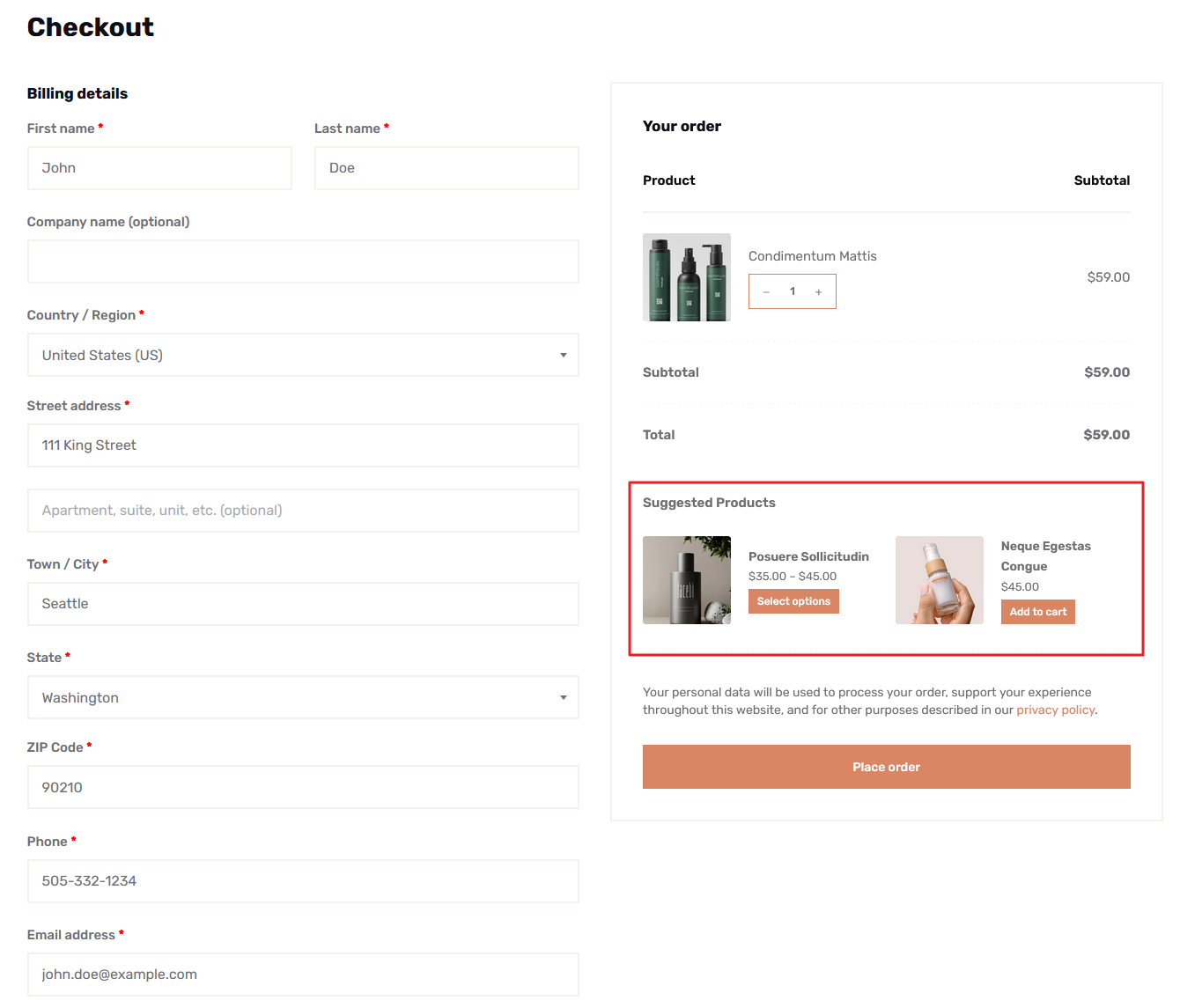
Another key difference is placement and intent. Upsells are typically shown on product pages, where customers are still deciding what to buy. Cross-sells often appear in the cart or checkout when customers are ready to complete their purchase.
Used together, these strategies create more opportunities to boost revenue without disrupting the buying experience.
WooCommerce Product Recommendations on Product Pages
Product pages are prime real estate for influencing buying decisions, making them one of the most effective places to implement WooCommerce product recommendations and upselling strategies.
Show Premium Alternatives
One of the most effective WooCommerce upselling techniques is to showcase premium alternatives directly on the product page. When customers are already considering a product, it’s the perfect moment to introduce a higher-value option with better features or quality.
For example, if someone is viewing a basic coffee maker, you can suggest a smart coffee machine with programmable settings and improved performance. The key is to clearly highlight what makes the upgrade worth it.
Keep your upsell options limited to two or three products, and focus on communicating the added benefits so customers feel confident choosing the better option.
Display Related Products
Another effective WooCommerce cross-sell tactic is to display related products on the product page. WooCommerce includes built-in functionality that allows you to showcase items that naturally complement what the customer is viewing.
For example, if someone is browsing running shoes, you can recommend socks, fitness trackers, or sports water bottles. The goal is to present products that make sense together and enhance the overall purchase.
To get the best results, keep your recommendations relevant and intentional. Avoid random or loosely connected items, as they can confuse shoppers and reduce trust. Thoughtful suggestions make it easier for customers to discover useful add-ons.
Cross-Sell Products in the Cart
The cart page is one of the most powerful places to apply WooCommerce cross-sell strategies. At this stage, customers have already decided to make a purchase, which makes them more open to adding a few extra items.
Cart-based recommendations work best when they focus on low-cost, practical add-ons. For example, if a customer has a phone in their cart, suggesting a screen protector or protective case feels helpful and relevant.
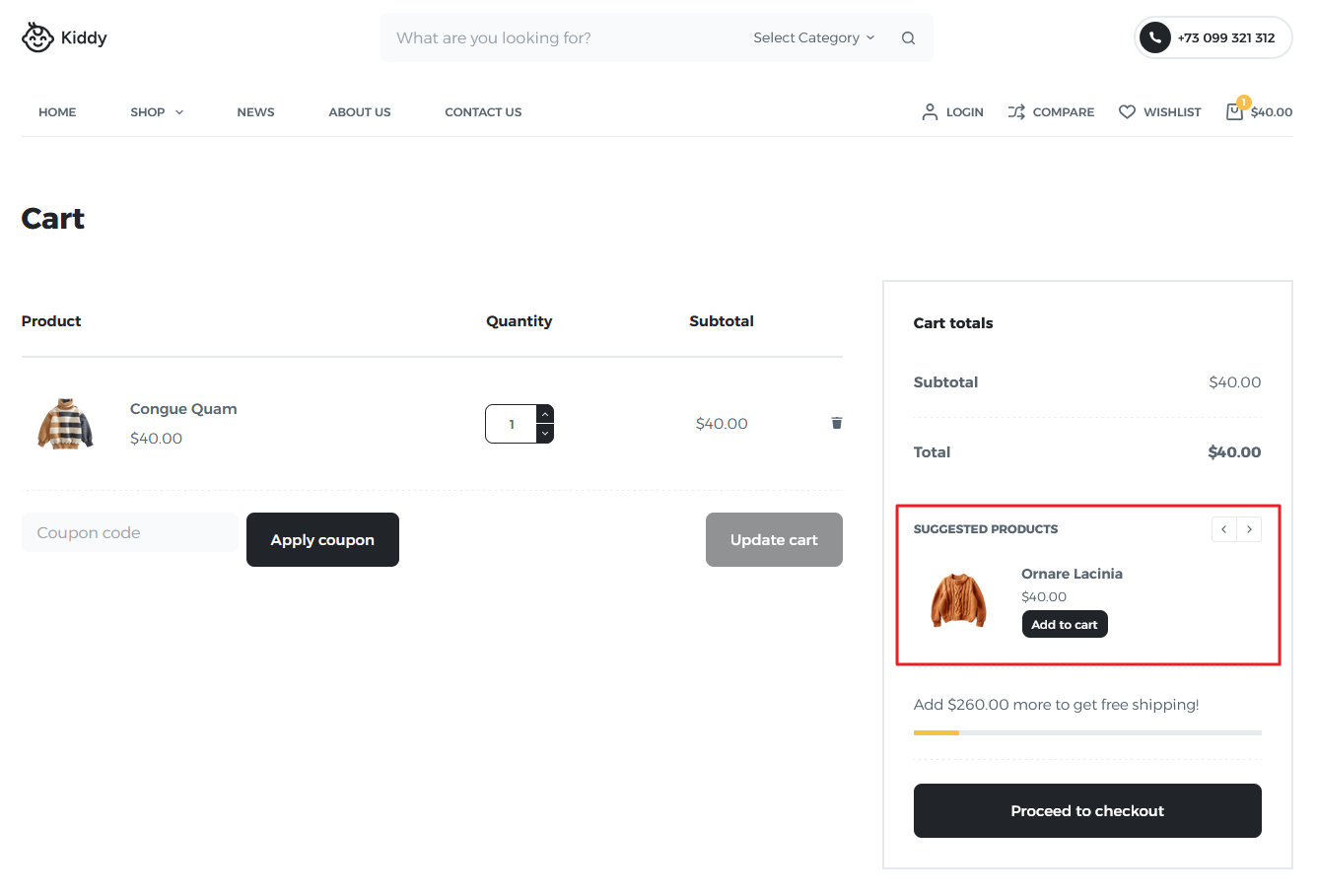
To keep the experience smooth, limit your suggestions to three or four items and prioritize usefulness over variety. Avoid overwhelming customers or distracting them from completing their purchase. When done right, cart cross-sells can seamlessly increase the AOV without interrupting the checkout flow.
Bundle Offers That Encourage Bigger Purchases
Bundle offers are a proven eCommerce upselling strategy that encourages customers to spend more by combining related products into convenient, value-packed deals with clear savings.
Product Bundles
Product bundles are a powerful way to apply eCommerce upselling strategies in WooCommerce. Instead of selling items individually, you group related products together and offer them at a slightly discounted price.
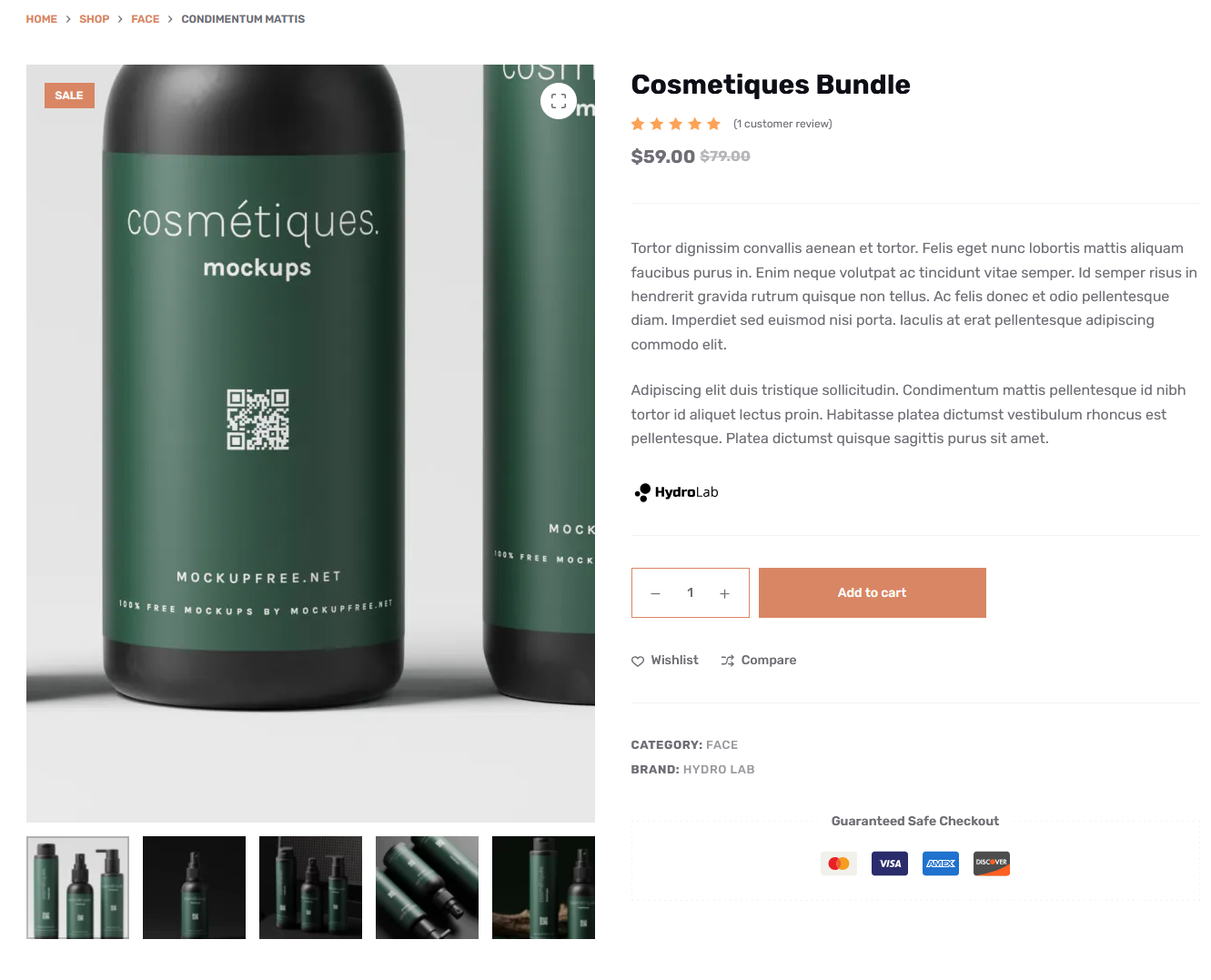
For example, a gaming bundle might include a console, an extra controller, and a game. This not only increases the total order value but also simplifies the buying decision for customers who want everything in one package.
Bundles work because they highlight convenience and savings at the same time. Customers feel like they’re getting a better deal, while you benefit from higher revenue per transaction and improved product visibility.
Frequently Bought Together
“Frequently bought together” is a highly effective WooCommerce product recommendations strategy that encourages customers to add multiple related items to their cart with minimal effort. It works by showcasing products that are commonly purchased as a set.
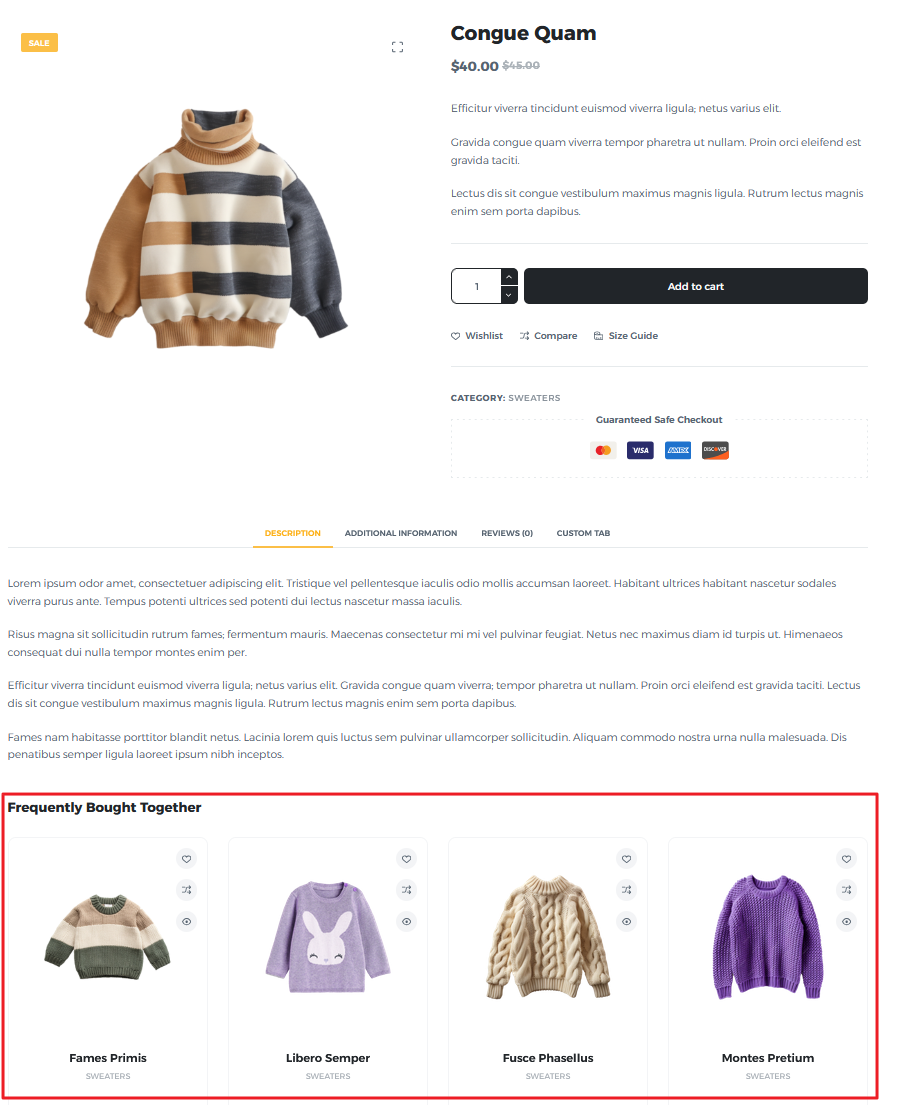
For example, if someone is buying a blouse from your apparel store, you can show a pair of jeans or a skirt that goes best with the top. This makes it easy for customers to get everything they’ll need to complete the look in one go.
To maximize results, highlight the combined savings and allow customers to remove items if needed. This flexibility builds trust while still increasing the likelihood of larger purchases.
Personalized WooCommerce Product Recommendations
Personalized WooCommerce product recommendations use customer data to deliver more relevant suggestions, helping you increase AOV while creating a more tailored shopping experience.
Using Customer Data
One of the most effective ways to improve WooCommerce product recommendations is by using customer data. By analyzing browsing behavior, past purchases, and popular product combinations, you can suggest items that feel highly relevant and are backed by actual data.
For example, returning customers can be shown products similar to what they’ve bought before, while new visitors can see trending or best-selling items. This data-driven approach makes your WooCommerce upselling and cross-selling efforts more accurate, increasing the chances of higher conversions and larger orders.
Dynamic Recommendation Widgets
Dynamic widgets are a simple way to automate WooCommerce product recommendations across your store. These sections update in real-time based on customer behavior and product data.
Common examples include “Customers also bought”, “Recommended for you”, and “Trending products”. These widgets help surface relevant items without manual effort, making your WooCommerce cross-sell and upselling strategies more scalable.
By showing the right products at the right time, dynamic recommendations improve relevance, boost engagement, and increase the likelihood of higher-value purchases.
Best Practices for WooCommerce Upselling and Cross-Selling
Following proven best practices ensures higher conversions and a better shopping experience.
Keep Recommendations Relevant
Relevance is the foundation of effective WooCommerce upselling and cross-selling.
Your recommendations should always match the customer’s intent and the product they’re considering. Irrelevant suggestions can quickly break trust and make your store feel unhelpful.
For example, recommending unrelated items like gardening tools for someone browsing shoes creates confusion. Instead, focus on products that naturally complement or upgrade the main item, making the shopping experience smoother and more intuitive.
Don’t Overwhelm Customers
When it comes to WooCommerce product recommendations, less is often more. Showing too many options can lead to decision fatigue, making customers less likely to take action.
Instead, keep your suggestions focused, typically two to three upsells on product pages, and three to four cross-sells in the cart.
This keeps the experience clean and easy to navigate. A curated selection helps customers make quicker decisions while still supporting your goal to increase AOV.
Highlight Value
To make WooCommerce upselling effective, you need to clearly communicate why the recommendation is worth it.
For example, highlight better features, higher quality materials, or long-term savings. The same applies to WooCommerce cross-sell suggestions i.e. you need to show how add-ons improve the main product or solve a problem.
Use Visual Product Cards
Visual product cards make WooCommerce product recommendations more engaging and easier to scan. Use clear images, pricing, and discounts to highlight value at a glance.
Well-designed visuals help customers quickly understand what they’re getting, making them more likely to explore recommendations and take action.
Test and Optimize
To maximize results, continuously test your WooCommerce upselling and cross-selling strategies. Track metrics like increased AOV, conversion rates, and add-to-cart actions.
Experiment with different placements, product combinations, and messaging. Over time, these insights will help you refine your approach and drive consistent revenue growth.
Conclusion
WooCommerce upselling and cross-selling are two of the most effective ways to grow your store without increasing traffic.
By encouraging customers to upgrade their purchases or add complementary products, you can consistently increase AOV and boost overall revenue. The key is to apply these strategies thoughtfully, using relevant WooCommerce product recommendations, well-placed cart suggestions, and value-driven bundle offers.
Start simple by adding upsells to product pages, introducing cross-sells in the cart, and experimenting with bundles. Then, refine your approach over time based on performance data. Even small improvements in AOV can lead to significant long-term gains.
If you’re ready to take things further, check out our guide on How To Set Up WooCommerce Order Bumps To Skyrocket Sales and start turning more visitors into higher-value customers.